FREE RETURNS. STANDARD SHIPPING ORDERS $99+

Dynamic Batching System Price & Maintenance Guide | Yuhang Tech

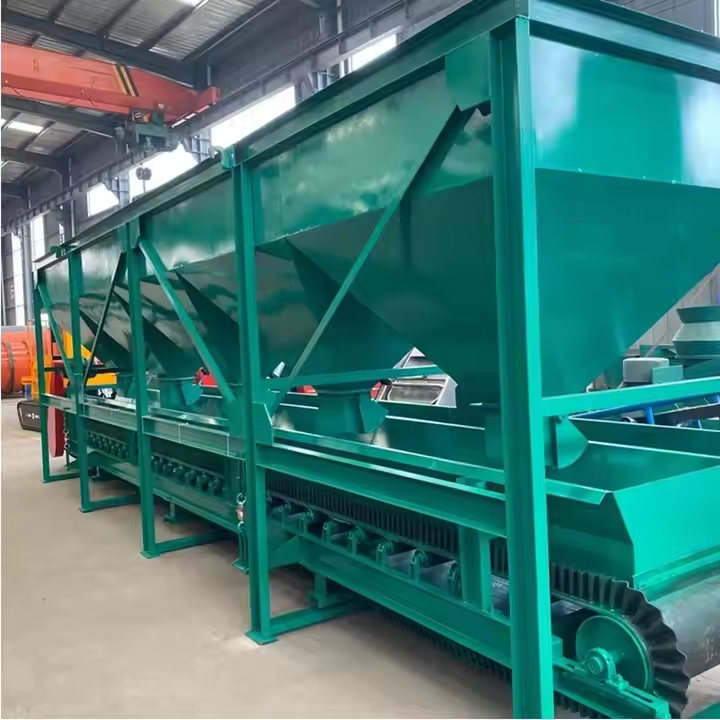
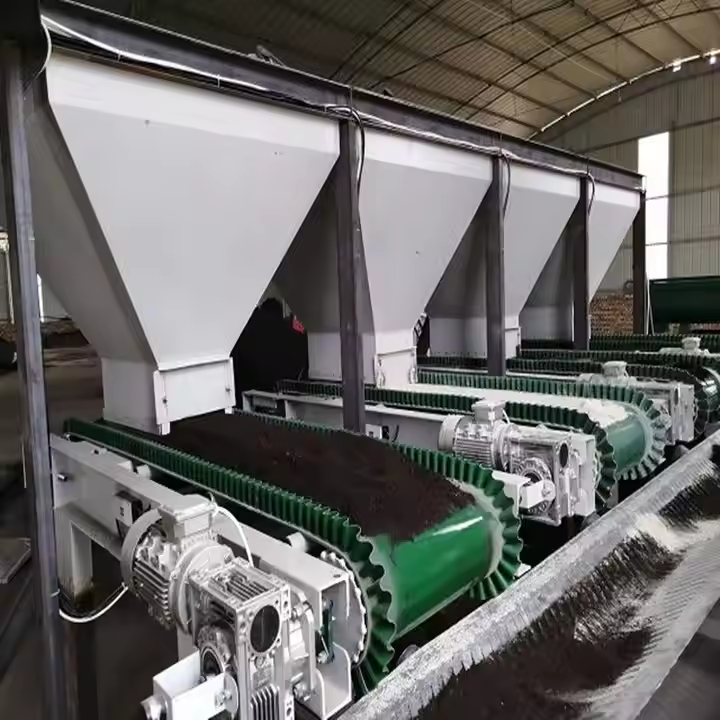
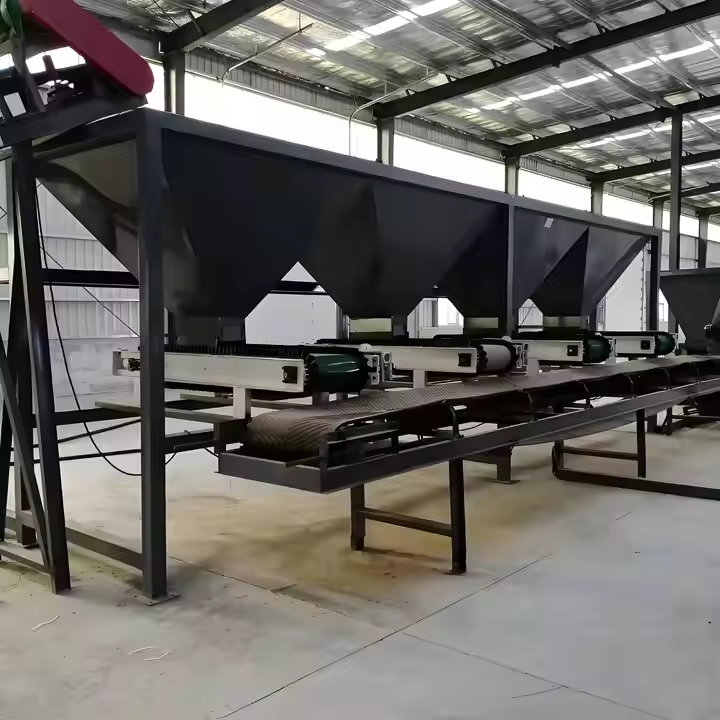
Dynamic Batching System: Comprehensive Pricing and Maintenance Guide

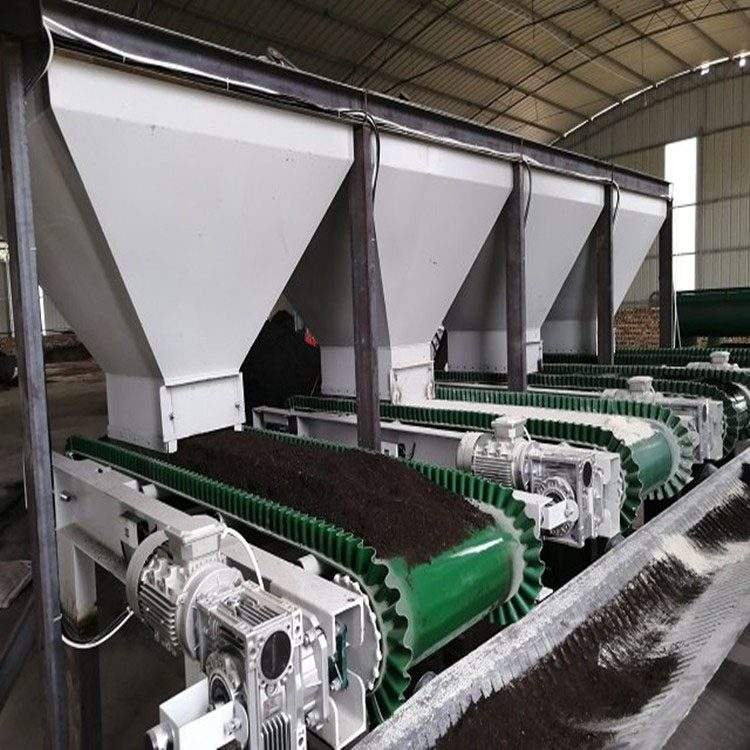
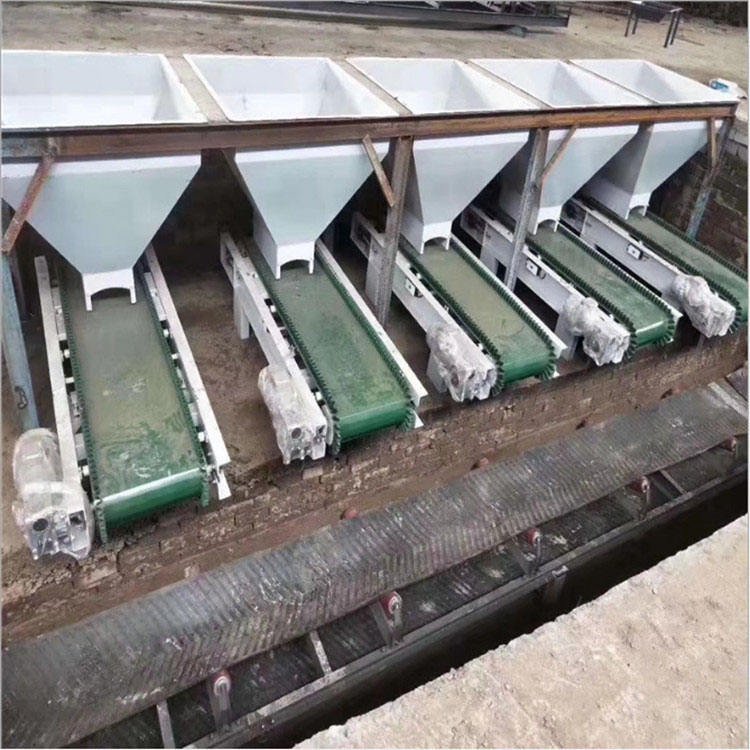
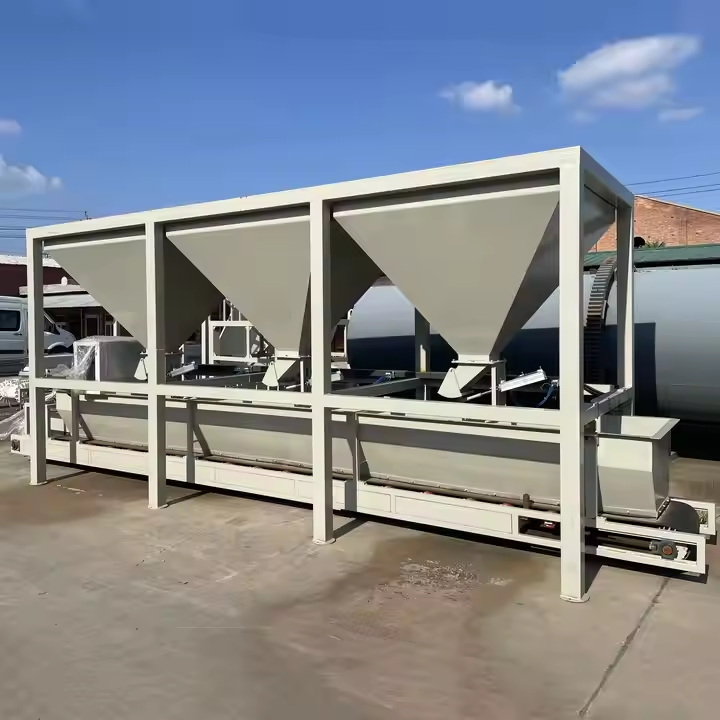
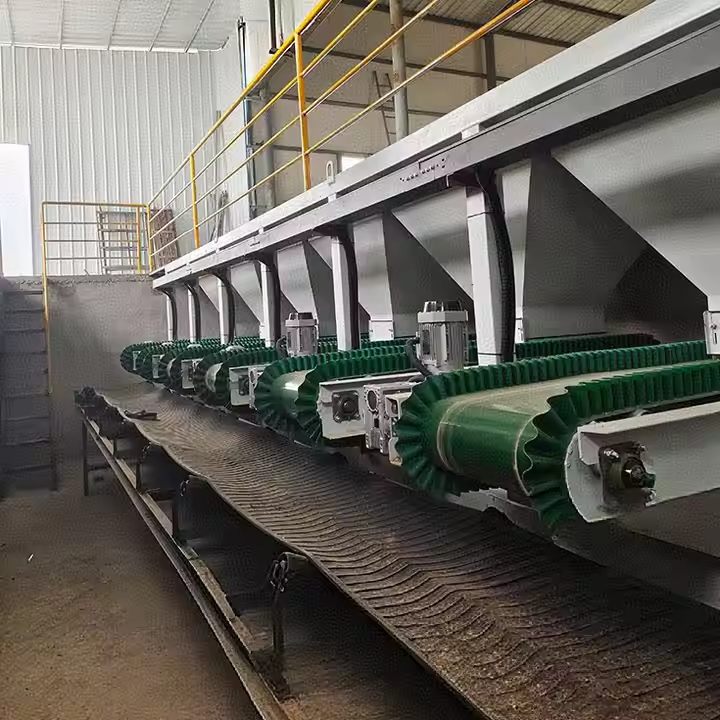
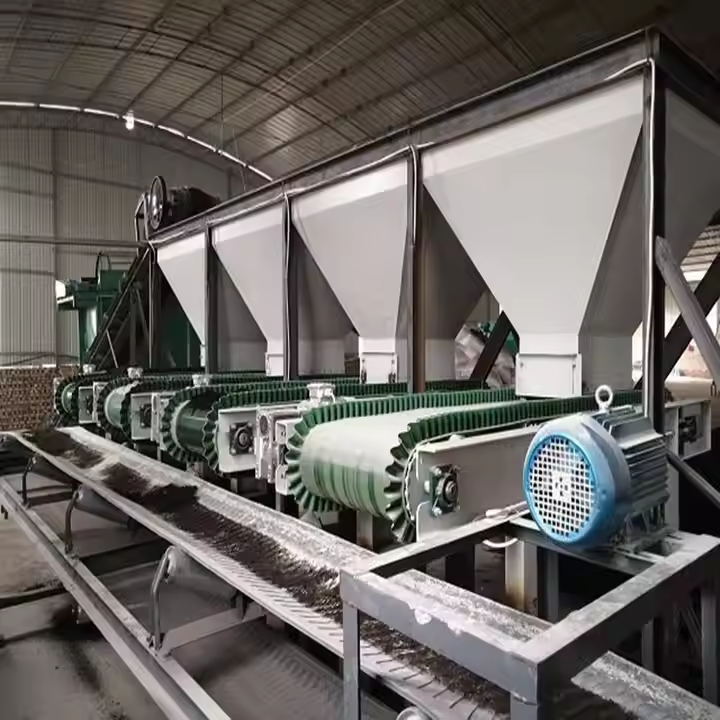
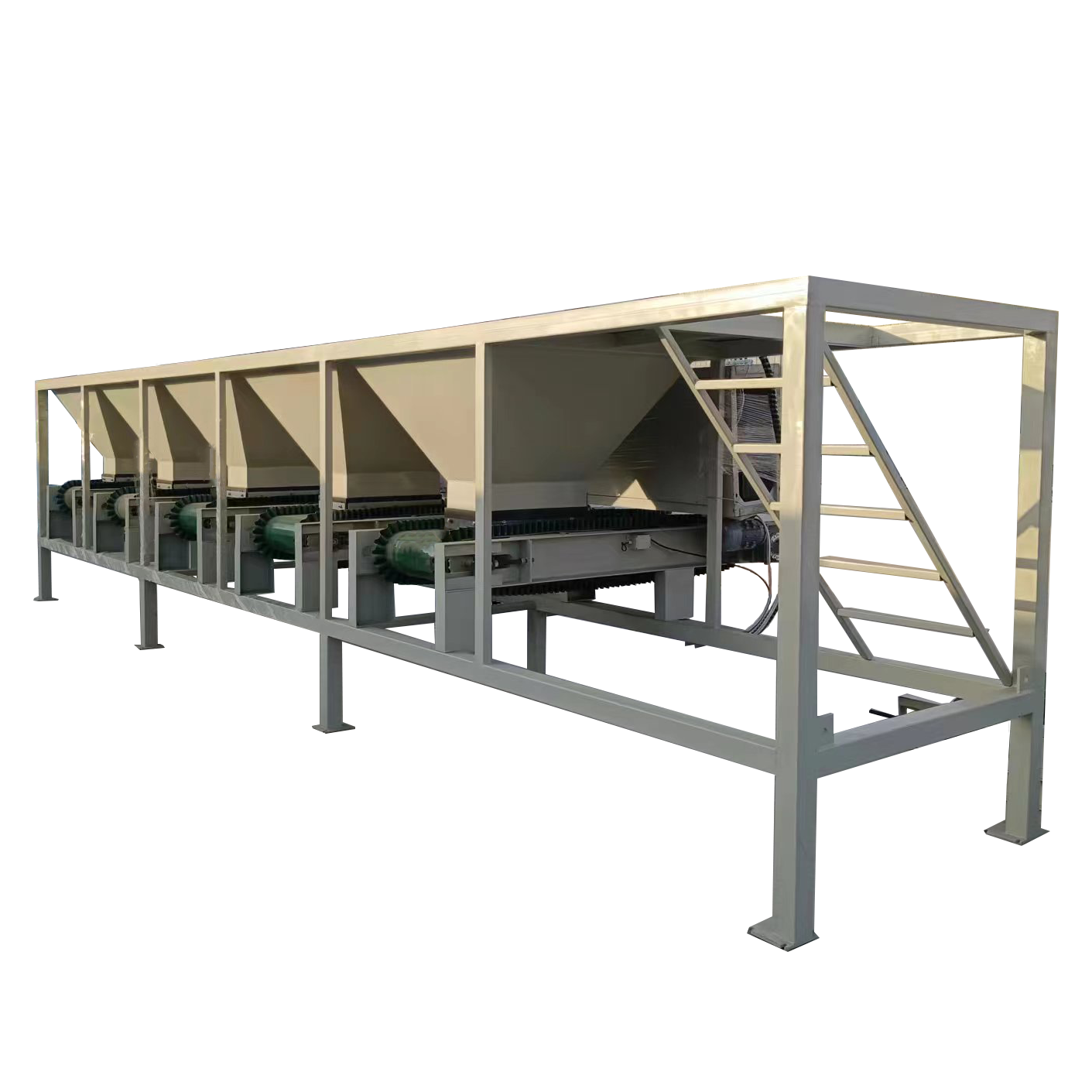
Dynamic batching systems are essential for continuous production processes, offering efficiency and automation. This guide provides detailed information on pricing and critical maintenance considerations to help you make an informed decision.

Dynamic Batching System Pricing

The price of a dynamic batching system typically ranges from ¥150,000 to over ¥1,000,000 RMB, depending on several key factors:

Primary Cost Factors

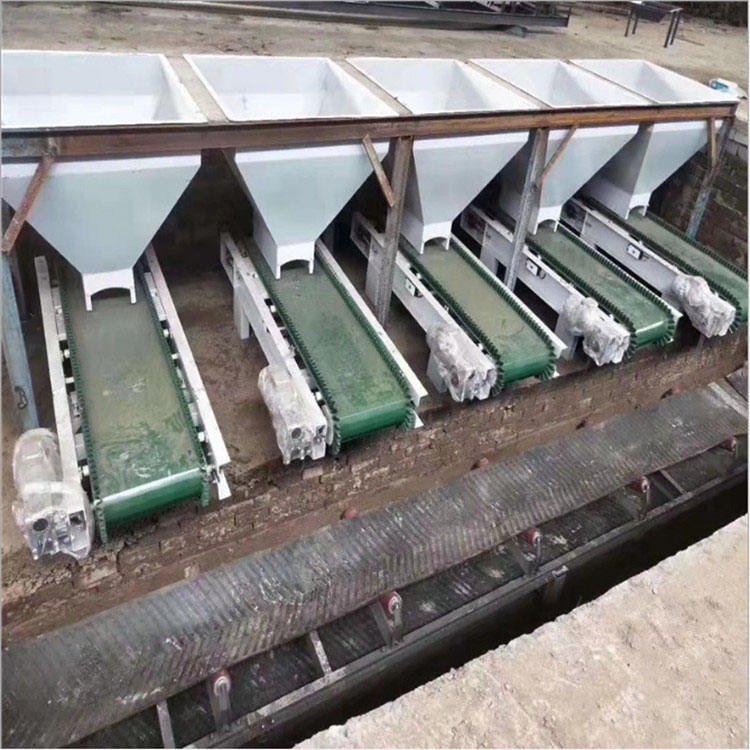
  • System Capacity and Scale: Basic systems with 4-6 material stations start at approximately ¥150,000-300,000. Larger systems with 8-12 stations or more can range from ¥400,000-800,000. Customized, high-capacity solutions may exceed ¥1,000,000.
  • Precision Requirements: Standard systems with ±1% accuracy represent the baseline price. High-precision systems achieving ±0.5% accuracy typically increase costs by 15-25%. Ultra-precision systems (±0.2%) may command a 30-50% premium.
  • Automation Level: Semi-automatic systems serve as the entry point. Fully automated systems with advanced PLC controls and recipe management add 25-35% to the base cost. Systems with IoT connectivity and data analytics capabilities further increase investment by 15-20%.
  • Material Handling Specifications: Standard carbon steel construction represents the baseline. Stainless steel (304 grade) components add 20-30% to the cost, while corrosion-resistant (316 grade) materials increase prices by 40-60%. Specialized coatings or treatments for abrasive or corrosive materials may add 25-50%.
  • Additional Features: Integration with existing production lines, specialized safety systems, and custom software interfaces typically add 10-20% to the total system cost.

Essential Maintenance Considerations

Proper maintenance is crucial for ensuring optimal performance and longevity of dynamic batching systems. Here are key maintenance aspects to consider:

Regular Maintenance Requirements

Daily Maintenance Tasks:

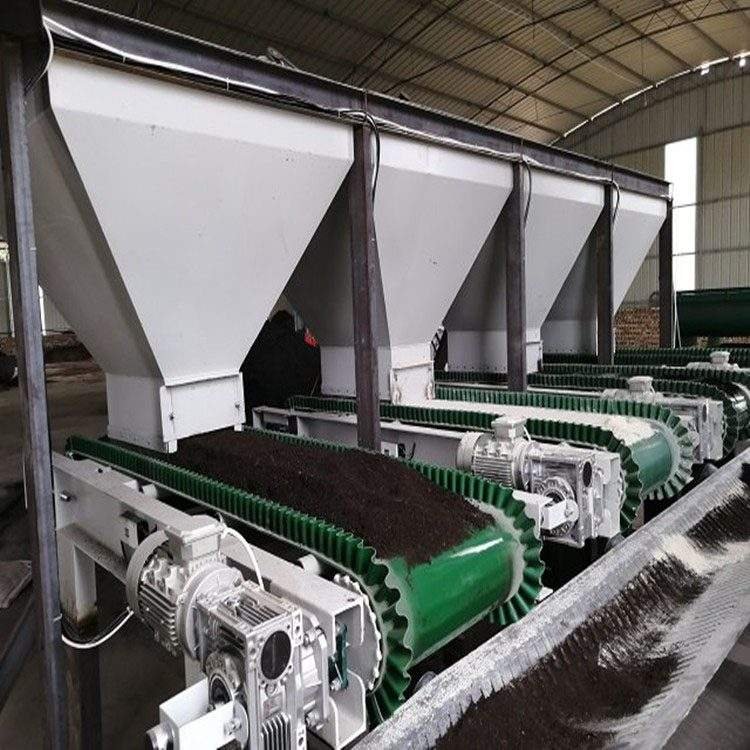
  • Visual inspection of all moving components and conveyor systems
  • Verification of control system parameters and alarm functions
  • Basic cleaning of exterior surfaces and inspection areas
  • Check for material buildup or blockages in feeding mechanisms

Weekly Maintenance Procedures:

  • Comprehensive inspection of weighing mechanisms and sensors
  • Verification of calibration settings and accuracy checks
  • Inspection of mechanical components for wear or misalignment
  • Lubrication of moving parts as specified by the manufacturer
  • Review of system performance data and error logs

Monthly Maintenance Activities:

  • Full system calibration and accuracy verification
  • Detailed inspection of electrical connections and components
  • Thorough cleaning of internal components and material contact surfaces
  • Preventive replacement of wear-prone components
  • Software updates and backup of system parameters
Critical Maintenance Considerations

Calibration and Accuracy Maintenance:
Dynamic batching systems require regular calibration to maintain precision. Environmental factors, material characteristics, and mechanical wear can affect accuracy. Implement a strict calibration schedule and maintain detailed records of all adjustments.

Wear Part Management:
Identify critical wear components such as feeder screws, conveyor belts, bearings, and seals. Maintain an inventory of essential spare parts to minimize downtime. Track component lifespan and implement preventive replacement schedules.

Material-Specific Considerations:
Different materials present unique maintenance challenges. Abrasive materials accelerate wear on mechanical components. Hygroscopic materials may cause clogging or buildup. Corrosive materials require more frequent inspection of material contact surfaces.

Environmental Factors:
Temperature fluctuations, humidity, and dust levels can impact system performance. Implement appropriate environmental controls and protective measures. Regularly inspect seals, enclosures, and protection systems.

Software and Control System Maintenance:
Regularly back up system parameters and recipes. Keep control software updated with the latest versions. Monitor system logs for error patterns or performance degradation indicators.

Maintenance Cost Considerations

Annual maintenance costs typically range from 3-7% of the initial system investment. Factors affecting maintenance costs include:

  • System complexity and automation level
  • Operating hours and production intensity
  • Material characteristics and abrasiveness
  • Environmental conditions
  • Quality of initial installation and commissioning

Yuhang Technology Support Services

Yuhang Technology provides comprehensive support for dynamic batching systems:

Maintenance Services:
  • Scheduled preventive maintenance programs
  • Emergency repair and technical support
  • Remote diagnostics and troubleshooting
  • On-site technical assistance
  • Spare parts management and supply

Technical Support:

  • Operator training programs
  • Maintenance staff certification
  • Technical documentation and manuals
  • Software updates and upgrades
  • Performance optimization services

Service Packages:

  • Basic maintenance agreements
  • Comprehensive service contracts
  • 24/7 technical support options
  • Performance guarantee packages
  • Customized service solutions

Conclusion

Investing in a dynamic batching system requires careful consideration of both initial costs and long-term maintenance requirements. Proper maintenance planning is essential for maximizing system performance, ensuring accuracy, and minimizing operational downtime.

For detailed pricing information specific to your requirements or to discuss maintenance service options, please contact our technical team for a personalized consultation and quotation.
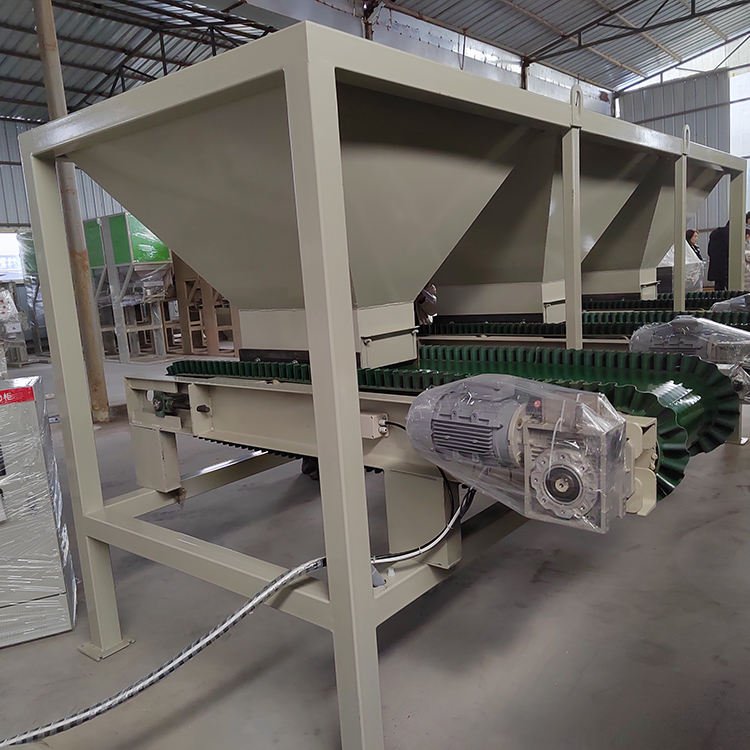
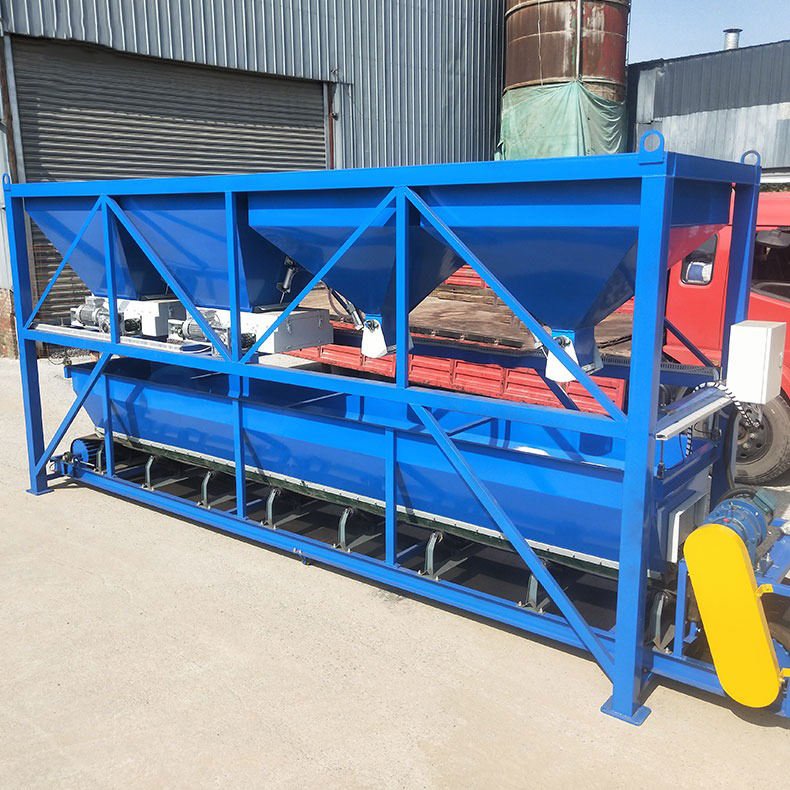
Dynamic Batching System Price & Comparison | Yuhang Tech

Dynamic Batching System: Price and Comparison with Static Systems

Understanding the key differences between dynamic and static batching systems is crucial for selecting the right technology for your production line. Yuhang Technology provides a clear analysis of dynamic system pricing and a direct comparison of both technologies.

Dynamic Batching System Price Range

The investment for a dynamic (continuous) batching system is generally higher than for a static (batch) system. Pricing typically starts around ¥150,000 RMB and can exceed ¥1,000,000 RMB for large, complex, fully automated lines.

Several core factors influence the final cost:

  • System Scale: A basic system with 4-6 material stations typically ranges from ¥150,000 to ¥300,000.
  • Accuracy Requirements: Standard precision (±1%) is the baseline. High-precision systems (±0.5%) can increase the cost by 15-25%.
  • Automation Level: A semi-automatic system serves as the baseline price point. Upgrading to a fully automatic system adds 25-35% to the cost.
  • Material Characteristics: Handling specialized materials (e.g., sticky, corrosive, or highly abrasive) requires custom engineering and can increase the price by 20-40%.

Dynamic vs. Static Batching Systems: Advantages and Disadvantages

Dynamic Batching System Advantages

  • High Production Efficiency: Designed for continuous operation, they offer significantly higher output and are ideal for large-scale, high-volume production runs without stopping between batches.
  • Excellent Flexibility: Recipe changes can often be made on-the-fly through the control system, making them perfect for production lines that require frequent product variety changes.
  • Process Integration: They integrate seamlessly into a continuous production process, reducing material handling and streamlining the overall workflow from raw material to finished product.
  • Consistent Output: Provides a steady, uninterrupted flow of mixed product, which is essential for downstream continuous processes.

Dynamic Batching System Disadvantages

  • Higher Initial Investment: The technology, conveying systems, and controls are more complex, leading to a higher purchase price compared to static systems.
  • Generally Lower Precision: While sufficient for most applications, achieving the ultra-high precision of a static weigh hopper is more challenging in a continuous flow environment. Accuracy is typically in the ±0.5% to ±1% range.
  • More Complex Maintenance: The inclusion of continuous feeders, conveyors, and advanced control systems requires more sophisticated maintenance knowledge and can lead to higher long-term upkeep costs.
  • Larger Footprint: The equipment for continuous feeding and mixing often requires more factory floor space.

Static Batching System Advantages

  • Superior Accuracy: This is their primary strength. By weighing each ingredient individually in a dedicated hopper before discharge, they achieve the highest possible precision, often at ±0.1% or better.
  • Lower Initial Cost: The simpler mechanical design and control requirements make them a more budget-friendly capital investment.
  • Easier Maintenance: With fewer moving parts and a simpler operational concept, maintenance is generally more straightforward and can often be performed by in-house personnel.
  • Compact Design: The batch-based nature allows for a more vertical and compact equipment layout, saving valuable floor space.

Static Batching System Disadvantages

  • Lower Overall Output: Production occurs in distinct batches, meaning there is downtime between cycles for weighing, discharging, and cleaning, limiting maximum throughput.
  • Reduced Flexibility: Changing recipes often requires purging the system or cleaning hoppers to prevent cross-contamination, which takes time and interrupts production.
  • Not Suitable for Continuous Processes: The batch-discharge nature means they cannot directly feed a truly continuous downstream process without additional buffer equipment.

Summary and Selection Guidance

Choose a Dynamic Batching System if your priority is high-volume, continuous output, operational flexibility for frequent recipe changes, and integration into a full continuous processing line. It is the preferred choice for large-scale production in industries like plastics, compounded animal feed, and certain food production.

Choose a Static Batching System if your top priorities are utmost precision, a lower initial investment, simpler maintenance, and you operate with smaller batches or where product changeover is less frequent. It is ideal for applications in pharmaceuticals, specialty chemicals, high-end baking, and any process where recipe accuracy is critical.

Why Partner with Yuhang Technology?

At Yuhang Tech, we don’t just sell equipment; we provide solutions. Our experts will analyze your specific materials, production goals, and facility constraints to recommend the optimal system—dynamic or static.

We ensure:

  • Customized Design tailored to your material characteristics and capacity needs.
  • Precision Guarantee, whether for high-speed dynamic or high-accuracy static batching.
  • Intelligent Control with advanced PLC and SCADA systems for seamless operation.
  • Comprehensive Support from installation and training to ongoing maintenance.

Get Expert Guidance
Unsure which technology best fits your operation? Contact a Yuhang Technology engineer today for a free consultation, detailed system proposal, and a precise quotation tailored to your needs.

Static Batching System: Comprehensive Pricing and Installation Guidelines

Static Batching System: Investment Analysis and Installation Best Practices

1. System Pricing Structure

Static batching systems represent a significant investment in production infrastructure, with costs influenced by multiple technical and operational factors.

1.1 Primary Cost Determinants

  • Base System Configuration
    Foundation systems (2-4 ingredient stations): ¥80,000-150,000
    Intermediate systems (6-8 stations): ¥180,000-300,000
    Advanced systems (10+ stations): ¥350,000-500,000
  • Precision Engineering Requirements
    Standard precision (±0.5%): Baseline configuration
    High precision (±0.2%): 20-30% cost increase
    Ultra precision (±0.1%): 40-50% additional investment
  • Control System Sophistication
    Manual/Semi-automatic: Entry-level pricing
    Fully automated: 25-40% premium
    Advanced PLC with recipe management: Additional 15-25%

2. Critical Installation Considerations

Proper installation is paramount for achieving specified performance metrics and ensuring long-term reliability.

2.1 Site Preparation Requirements

Foundation and Structural Support

  • Reinforced concrete foundation capable of supporting 1.5x system weight
  • Vibration isolation measures for precision weighing components
  • Level installation surface with tolerance ≤ ±3mm across full footprint

Environmental Conditions

  • Temperature control: 15-30°C operating environment
  • Humidity management: Maintain 30-60% RH to prevent condensation
  • Dust control: ISO Class 8 cleanroom equivalent for precision applications

2.2 Mechanical Installation Protocols

Weighing System Installation

  • Load cell alignment with ±0.5° angular tolerance
  • Isolation from external vibration sources
  • Protection against thermal expansion effects

Material Handling Components

  • Hopper alignment and sealing integrity verification
  • Discharge valve calibration and leak testing
  • Conveyance system interface coordination

2.3 Electrical and Control System Integration

Power Distribution Requirements

  • Dedicated power circuits with appropriate voltage stabilization
  • Proper grounding: Resistance ≤ 1 ohm
  • Surge protection for control system components

Control System Implementation

  • PLC installation with EMI/RFI shielding
  • Sensor calibration and signal verification
  • Network integration and data communication setup

2.4 Commissioning and Verification

Pre-Operational Checks

  • Mechanical component alignment verification
  • Electrical system safety certification
  • Control system functional testing

Performance Validation

  • Weighing system calibration against certified standards
  • Material flow rate verification
  • Recipe accuracy confirmation through test batches

3. Installation Timeline and Resource Planning

3.1 Project Phasing

  • Week 1: Site preparation and foundation work
  • Week 2-3: Mechanical installation and electrical rough-in
  • Week 4: Control system integration and preliminary testing
  • Week 5: Commissioning and operator training

3.2 Resource Requirements

  • Certified installation technicians: 2-3 personnel
  • Electrical specialists: 1-2 certified electricians
  • Commissioning engineers: 1-2 system experts
  • Client operations team: 2-3 trained operators

4. Post-Installation Considerations

4.1 Performance Optimization

  • 30-day system performance monitoring period
  • Fine-tuning of operational parameters
  • Optimization of recipe sequences

4.2 Maintenance Protocol Establishment

  • Preventive maintenance schedule implementation
  • Spare parts inventory planning
  • Operator maintenance training completion

5. Yuhang Technology Installation Services

Our comprehensive installation support includes:

5.1 Professional Services

  • Site assessment and preparation guidance
  • Turnkey installation management
  • System commissioning and performance verification
  • Operator training and documentation

5.2 Quality Assurance

  • Installation compliance with manufacturer specifications
  • Performance guarantee certification
  • 12-month installation warranty

6. Conclusion

The successful implementation of a static batching system requires careful consideration of both financial investment and technical installation requirements. Proper planning, professional installation, and thorough commissioning are essential for achieving optimal system performance and return on investment.

Prospective investors should account for both the initial capital expenditure and the necessary installation resources when budgeting for static batching system implementation.

Static Batching System Price & Maintenance Guide | Yuhang Technology

Comprehensive Guide to Static Batching System Pricing and Maintenance

Static batching systems, known for their high precision and reliability, are a classic solution for batch production. Yuhang Technology Co., Ltd. offers an in-depth analysis of the pricing structure and daily maintenance requirements of static batching systems to help you select the most suitable equipment for your production needs.

Static Batching System Price Range

The price of a static batching system typically starts at ¥80,000 RMB (approx. $11,000 USD), with high-end customized systems reaching ¥500,000 RMB (approx. $70,000 USD) or more. Specific pricing depends on the following key factors:

Key Pricing Factors

  1. Weighing Capacity and Accuracy Grade
  • Basic model (500kg capacity, ±0.1% accuracy): ¥80,000–150,000
  • Standard model (1000kg capacity, ±0.05% accuracy): ¥150,000–250,000
  • High-precision model (2000kg capacity, ±0.02% accuracy): ¥250,000–500,000
  1. Material Requirements
  • Carbon steel material: Base price
  • 304 stainless steel: 30–50% additional cost
  • 316 stainless steel: 60–100% additional cost
  1. Automation Level
  • Manual control system: ¥80,000–150,000
  • Semi-automatic system: ¥150,000–250,000
  • Fully automatic system: ¥250,000–500,000
  1. Number of Batching Stations
  • Single hopper system: ¥80,000–120,000
  • Dual hopper system: ¥120,000–180,000
  • Multi-hopper system (4 or more): Starting from ¥200,000

Daily Maintenance Requirements and Difficulty Analysis

Maintenance for static batching systems is relatively straightforward and includes the following tasks:

Daily Maintenance Tasks

  1. Cleaning and upkeep
  • Daily: Surface cleaning and feeding port clearance (5–10 minutes)
  • Weekly: Internal hopper inspection and cleaning (20–30 minutes)
  • Monthly: Sensor cleaning and maintenance (30–60 minutes)
  1. Calibration Work
  • Before daily use: Zero-point calibration (automatically completed)
  • Weekly: Range calibration (15–20 minutes)
  • Monthly: Comprehensive accuracy verification (1–2 hours)
  1. Wear Parts Maintenance
  • Seals: Replace every 12 months
  • Load cells: Inspect and calibrate every 24–36 months
  • Pneumatic components: Maintain every 18–24 months

Maintenance Difficulty Assessment

  • Technical difficulty: Low. Most maintenance tasks can be performed by regular operators.
  • Time commitment: Approximately 10–20 minutes daily, 2–3 hours monthly for in-depth maintenance.
  • Maintenance cost: Annual maintenance expenses account for about 1–3% of the equipment’s value.

Practical Tips to Reduce Maintenance Costs

  1. Regular operator training: Standardize operational procedures to reduce human errors.
  2. Maintain maintenance records: Document equipment performance and maintenance history.
  3. Manage spare parts inventory: Keep a reasonable stock of commonly used wear parts.
  4. Implement preventive maintenance: Conduct regular inspections to identify and resolve potential issues early.

Advantages of Yuhang Static Batching Systems

Our static batching systems are designed with maintenance convenience in mind:

  • Modular design: Key components are independently modularized for quick replacement.
  • Smart diagnostics: Real-time monitoring of equipment status with early fault warnings.
  • User-friendly design: Easy access to maintenance points reduces difficulty.
  • Remote technical support: Timely remote fault diagnosis and maintenance guidance.

Request a Custom Quote and Solution
Contact Yuhang Technology engineers today for accurate equipment pricing and tailored maintenance solutions. We ensure you receive the most economical and reliable static batching system for your needs.

Dynamic Batching System Price & Maintenance Guide | Yuhang Tech

Complete Analysis of Dynamic Batching System Pricing and Maintenance

As crucial equipment for achieving continuous, automated production, the price and ongoing maintenance costs of dynamic batching systems are core concerns for enterprise investment decisions. With years of industry experience, Yuhang Technology Co., Ltd. provides a detailed analysis of dynamic batching system price ranges and daily maintenance requirements to help you make informed choices.

Dynamic Batching System Price Range

The price of dynamic batching systems is influenced by multiple factors, typically starting around ¥150,000 RMB ($20,000 USD), with large complex systems potentially exceeding ¥1,000,000 RMB ($140,000 USD). Specific pricing depends on the following key factors:

Main Factors Affecting Price

  1. System Scale & Number of Stations
  • Basic system with 4-6 material stations: ¥150,000-300,000
  • Medium system with 8-12 material stations: ¥300,000-600,000
  • Large system with 12+ stations: ¥600,000-1,000,000+
  1. Accuracy Requirements
  • Standard accuracy (±1%): Base price
  • High accuracy (±0.5%): 15-25% additional cost
  • Ultra-high accuracy (±0.1-0.2%): 30-50% additional cost
  1. Material Characteristics
  • Standard materials: Standard configuration
  • Special materials (adhesive, corrosive, flammable/explosive): Requires special materials and stainless steel design, adding 20-40% cost
  1. Automation Level
  • Semi-automatic systems: Base price
  • Fully automatic systems: 25-35% additional cost
  • Smart systems (with data tracking, remote monitoring): 40-60% additional cost

Daily Maintenance Requirements & Difficulty

Daily maintenance of dynamic batching systems is not complicated but requires regular execution of the following tasks:

Daily Maintenance Content

  1. Cleaning Tasks
  • Daily: External cleaning, feeding port cleaning (5-10 minutes)
  • Weekly: Internal residue cleaning (30-60 minutes)
  • Monthly: Thorough cleaning (1-2 hours)
  1. Calibration & Inspection
  • Daily: Zero-point calibration (automatically completed)
  • Weekly: Sensor inspection (15-20 minutes)
  • Monthly: Comprehensive accuracy verification (1-2 hours)
  1. Wear Parts Replacement
  • Seals: Replace every 6-12 months
  • Conveying components: Replace every 12-24 months
  • Sensors: Replace every 24-36 months

Maintenance Difficulty Assessment

  • Technical Difficulty: Low to medium. Most daily maintenance can be performed by trained operators
  • Time Commitment: Approximately 15-30 minutes daily, 2-4 hours monthly for deep maintenance
  • Cost Investment: Annual maintenance costs typically account for 2-5% of system value

Practical Suggestions to Reduce Maintenance Costs

  1. Choose modular design: Enables quick replacement and repair, reducing downtime
  2. Equip with smart diagnostic systems: Early fault warnings prevent unexpected停机
  3. Regular operator training: Proper use reduces human-caused failures
  4. Establish preventive maintenance plans: Scheduled maintenance costs 60% less than emergency repairs

Why Choose Yuhang Dynamic Batching Systems?

Yuhang Technology’s dynamic batching systems are designed with maintenance convenience in mind:

  • Modular design: Most components can be quickly disassembled and replaced
  • Smart self-diagnosis: System automatically monitors operation status and prompts maintenance needs
  • Remote support: Technical team can provide remote diagnosis and maintenance guidance
  • Adequate spare parts supply: Ensures quick access to original parts

Get Custom Quote & Maintenance Plan
Every enterprise has unique needs. Contact Yuhang Technology engineers for accurate system pricing and customized maintenance solutions to ensure you invest in the most cost-effective dynamic batching solution.

Types of Batching Systems: Key Differences Explained | Yuhang Tech

Understanding the Key Differences Between Types of Batching Systems

Selecting the right batching system is crucial for manufacturing efficiency and product quality. While all batching systems serve the same fundamental purpose – accurately combining multiple ingredients – their methods, capabilities, and ideal applications vary significantly. At Yuhang Technology Co., Ltd., we help manufacturers navigate these differences to find the perfect solution for their specific needs. This article breaks down the key distinctions between the main types of ingredient dispensing systems.

Core Differences in Measurement Methodology

The most fundamental difference between batching systems lies in how they measure materials, which directly impacts their accuracy, cost, and suitability for various industries.

Gravimetric vs. Volumetric Systems

Gravimetric Batching Systems measure ingredients by weight using precision load cells. This method provides exceptional accuracy, typically within ±0.1% to ±0.5%, by directly measuring mass rather than volume.

Volumetric Batching Systems measure ingredients by volume using mechanisms like screws, vibratory feeders, or pumps. These systems dispense a predetermined volume of material based on time and feeder speed, making them generally less accurate than gravimetric systems but often more cost-effective.

Key Operational Differences

  • Accuracy: Gravimetric systems maintain consistent accuracy regardless of material density changes, while volumetric systems can be affected by variations in material density, humidity, and flow characteristics.
  • Self-Correction: Gravimetric systems automatically compensate for variations in material density, while volumetric systems require manual calibration for different materials.
  • Material Handling: Volumetric systems often handle free-flowing materials more efficiently, while gravimetric systems excel with materials that have inconsistent density or flow properties.

Specialized System Variations and Their Unique Features

Beyond the basic measurement distinction, batching systems differ significantly in their design and specialization for specific industries and materials.

Powder vs. Liquid Batching Systems

Powder Batching Systems typically use screw feeders, vibratory trays, or weigh hoppers. They require specific designs to prevent bridging, rat-holing, and dust generation. These systems often feature specialized seals and surface finishes to handle fine particulates.

Liquid Batching Systems utilize pumps, flow meters, and valves for accurate dispensing. They require different considerations for viscosity, temperature control, and cleaning (CIP – Clean-in-Place systems). These systems often feature tanks, heaters, and pressure-rated components not found in powder systems.

Single-Ingredient vs. Multi-Ingredient Systems

The complexity increases substantially with the number of ingredients handled. Single-ingredient systems focus on high-volume dispensing of one material, while multi-ingredient systems require sophisticated sequencing, cross-contamination prevention, and recipe management capabilities.

Industry-Specific System Variations

Different manufacturing sectors have unique requirements that significantly influence batching system design and functionality.

Food & Pharmaceutical Grade Systems

These systems prioritize hygienic design with stainless steel construction, easy-clean surfaces, and compliance with industry regulations (FDA, USDA, GMP). They often feature specialized coatings and validation documentation not required in industrial applications.

Industrial & Chemical Systems

Designed for harsh environments, these systems emphasize durability, corrosion resistance, and explosion-proof components (ATEX certification). They typically handle abrasive or hazardous materials requiring specific material contact surfaces.

Automation Level Differences

Batching systems vary widely in their level of automation and control sophistication:

  • Manual Systems: Operator-dependent with basic controls
  • Semi-Automated Systems: Partial automation with recipe storage
  • Fully Automated Systems: Complete integration with ERP/MES systems, remote monitoring, and predictive maintenance capabilities

Choosing the Right System: Key Considerations

Understanding these differences helps manufacturers select the appropriate system based on:

  1. Accuracy Requirements: Gravimetric for precision, volumetric for general accuracy
  2. Material Characteristics: Free-flowing vs. difficult-to-handle materials
  3. Industry Standards: Hygienic requirements vs. industrial durability
  4. Production Volume: High-speed vs. batch processing needs
  5. Future Flexibility: Scalability and recipe change frequency

At Yuhang Technology, we specialize in designing custom batching solutions that address these differences while optimizing for your specific manufacturing requirements. Our expertise ensures you get a system that not only handles your materials accurately but also integrates seamlessly with your production processes.

Need Help Determining Which System is Right for You?
Contact Yuhang Technology today for a professional assessment of your batching needs and a customized solution that addresses your specific operational requirements and challenges.

Batching System Types and Costs – A Comprehensive Guide | Yuhang Tech

Batching System Types and Costs: A Complete Overview

Are you researching the ideal automated batching system for your production line but feel overwhelmed by the options and pricing? Understanding the different batching system types and their associated costs is the crucial first step toward making a smart investment. At Yuhang Technology Co., Ltd., we specialize in engineering precision ingredient dispensing systems for a wide range of industries. This guide will break down the common types of systems and the key factors that influence their price.

What Are the Main Types of Batching Systems?

Batching systems are broadly categorized by how they measure ingredients. The two primary methods are gravimetric and volumetric, each with its own advantages and ideal applications.

1. Gravimetric Batching Systems

Gravimetric systems measure ingredients by weight, using highly accurate load cells. This is the preferred method for applications requiring extreme precision and recipe consistency.

  • How it works: Ingredients are fed into a weigh hopper until the target weight is achieved.
  • Best for: Industries where exact formula consistency is critical, such as food production, pharmaceuticals, plastics compounding, and specialty chemicals.
  • Advantages: High accuracy, self-correcting (can adjust for material density variations), ideal for expensive raw materials.

2. Volumetric Batching Systems

Volumetric systems measure ingredients by volume, using mechanisms like screw feeders, vibratory trays, or pumps. The cost is often lower, but accuracy can be influenced by material density and flow characteristics.

  • How it works: A predefined volume of each material is dispensed based on time and feeder speed.
  • Best for: Applications where high throughput is more critical than ultra-high precision, or for handling free-flowing, consistent materials.
  • Advantages: Lower initial investment, simpler design, faster for certain non-critical applications.

3. Hybrid and Multi-Ingredient Systems

Most modern industrial setups are hybrid or multi-component systems. A single line might use a gravimetric system for powders and a volumetric system (pumps) for liquids. Yuhang Technology excels at designing these custom batching solutions tailored to handle complex recipes with numerous ingredients efficiently.

How Much Does a Batching System Cost?

It’s challenging to state a single price for a batching system, as costs vary dramatically based on your specific needs. A small, simple system could start around $20,000, while large, fully automated, multi-station systems can easily exceed $200,000.

The final ingredient dispensing system price depends on several key factors:

Key Factors Influencing Cost:

  1. Level of Automation: A basic manual system is the least expensive. Costs rise with semi-automation and peak with fully automated, PLC-controlled systems with integrated ERP/MES software.
  2. Number of Ingredients: Systems designed to handle 5 ingredients will cost significantly less than those designed for 50 ingredients. More ingredients require more feeders, scales, and control complexity.
  3. Material Characteristics: The cost changes based on what you’re batching. Handling difficult powders (e.g., sticky, abrasive, or ultra-fine) or corrosive liquids requires specialized, often more expensive, components like stainless steel construction, special coatings, or specific feeder types.
  4. Accuracy Requirements: Achieving ±0.1% accuracy requires higher-end components (load cells, feeders, controllers) than a system rated for ±1.0% accuracy.
  5. Throughput (Capacity): Systems required to batch large volumes per hour require larger, more heavy-duty components, increasing the cost.
  6. Industry & Compliance: Systems for the food, pharmaceutical, or chemical industries often need certifications (e.g., USDA, FDA, ATEX) and specific hygienic designs (e.g., easy-clean surfaces), which add to the overall cost.

Why Choose Yuhang Technology for Your Batching System?

As a leading batching system manufacturer, Yuhang Technology doesn’t believe in one-size-fits-all solutions. We provide:

  • Expert Consultation: We analyze your process, materials, and goals to recommend the most efficient and cost-effective batching system type for you.
  • Precision Engineering: Our weighing and batching systems are built for reliability and unparalleled accuracy, ensuring product quality and reducing material waste.
  • Custom Solutions: Whether you need a powder batching system, liquid batching system, or a complex hybrid, we desi

Comparative Analysis of Dynamic and Static Blending Systems

1. Core Characteristics and Advantages/Disadvantages of Static Blending System

Essential Working Principle
The static blending system operates in a sequential feeding and centralized weighing mode. All materials are added to the same weighing hopper in the order specified by the formula. The precise weighing of each individual material is completed in a stationary state, and the complete batch is then discharged centrally.
Significant Advantages

  1. Single-point High Precision Guarantee
  • Each type of material is independently weighed in a static state, eliminating dynamic interference
  • For powdery materials with good fluidity (such as flour, cement), a weighing accuracy of ±0.1% can be achieved
  • Typical application case: The ratio of main materials (cement, sand, and gravel) in dry-mixed concrete
  1. Structural Economy
  • The single bucket design reduces mechanical complexity
  • The equipment cost is only 60%-70% of that of dynamic systems
  • The maintenance technical requirements are low, and the cost of spare parts replacement is controllable
  1. Sealed Anti-Pollution
  • The fully sealed hopper structure complies with GMP certification requirements
  • Food-grade stainless steel material supports CIP cleaning
  • Applications in the pharmaceutical industry: Additives for tablet production
    Technical Limitations
  1. Sequence Bottleneck Effect
  • N types of materials require N independent feeding cycles
  • The efficiency of 20 sets of formulations is over 40% lower than that of the dynamic system
  • Example: The average daily batch production of feed premixes is ≤ 30 times
  1. Minor Component Distortion
  • Adding grams of materials to the kilogram-sized main material hopper
  • The relative error can reach ±5% when the addition amount is 0.1%
  • Industry pain point: The accuracy of vitamins in premixes is out of control
  1. Material Residue Problem
  • Residual amount of viscous materials (such as syrup) reaches 0.3 – 0.8%
  • Risk of cross-contamination between batches

– Cleaning time accounts for 15% – 20% of the production cycle

2. Technical Characteristics and Capacity Limits of Dynamic Ingredient Dispensing System

Innovative Working Principle
Based on the Loss-in-Weight principle, each material is equipped with an independent weighing hopper. The feeding machine’s speed is dynamically adjusted by monitoring the rate of weight loss in real time, enabling the simultaneous and continuous output of multiple materials.
Technical Advancedness

  1. Continuous Flow Production Paradigm
  • Parallel output of multiple components eliminates waiting time
  • Capacity density increased by 35-50% (e.g. plastic granulation line)
  • Supports 7×24-hour uninterrupted production
  1. Micro-scale Control Capability
  • Special micro-scale weighing buckets (with a capacity of 0.5 – 5 liters)
  • Even with an addition of 0.01%, the accuracy remains within ±0.3%
  • Industry breakthrough: Addition of CNT conductive agent for lithium battery electrodes
  1. Adaptive Control System
  • Dynamic compensation of density fluctuations using PID algorithm
  • Automatic tuning to adapt to changes in material flow properties
  • Case study: Seasonal variations in moisture content of raw materials in the food industry
    Application Challenges
  1. Significant Increase in System Complexity
  • The multi-bucket structure increases the number of failure points by 132%
  • Professional control system engineers are required
  • Typical maintenance cost: ¥8 – ¥12 thousand per year per system
  1. Feed Cycle Disturbance
  • Volume mode switching leads to accuracy drift (±1.5%)
  • Effective operation rate drops to ≤85% during high-frequency formula switching
  • Solution: Dual-bucket alternate feeding system
  1. Spatial Economic Imbalance
  • Each additional material requires 0.8 – 1.2 square meters of floor space.
  • A 50-component system requires an installation area of over 60 square meters.

– Comparison: A static system with the same production capacity only requires 20 square meters.

III. System Selection Decision Matrix
Industry Adaptation Map

  • Domain Dominated by Static Systems
  • Building Mortar (fixed ratio of cement/sand and stone)
  • Basic Feed (main ingredients of corn and soybean meal mixture)
  • Standard Plastic Masterbatch (3-5 components)
  • Dynamic System Essential Application Scenarios
  • Active ingredient addition for pharmaceutical APIs (0.01 – 0.1%)
  • High-end color masterbatch (synchronous ratio of 20+ pigments)

– New energy materials (continuous feeding of 6-component electrode slurry)

IV. Technological Integration Trends

Hybrid Architecture Innovation

  1. Hybrid System of Main Component and Micro Component
  • The main component uses static weighing (accuracy ± 0.2%)
  • The micro components implement dynamic weight loss control (accuracy ± 0.05%)
  • Example: Production line for adding attractants to pet food
  1. Intelligent Compensation Algorithm
  • Utilizes machine learning to predict the drift in the accuracy of feeding cycle
  • Implements digital twin technology for pre-adjustment of control parameters
  • Implementation effect: The effective operation rate has been increased to 93%
    Breakthroughs in Materials Engineering
  • Nano-coating technology reduces residual in hoppers (<0.01%)
  • Piezoelectric ceramic weighing sensors enhance dynamic response speed

– Air suspension feeders solve bridging issues for ultrafine powders (d50 < 10μm)

Conclusion and Recommendations

The static batching system still offers economic advantages in simple formulations and scenarios with moderate precision. However, the dynamic batching system has become the standard technology for complex formulations, continuous production, and precise micro-additions. In the next five years, hybrid architecture systems will cover 60% of new production lines. It is recommended that enterprises select precise technologies based on the material characteristic map (three-dimensional matrix of component quantity – micro proportion – rheological properties) and reserve 15% of intelligent upgrade space during new project construction.

Dynamic Ingredient Dispensing System (Weightless Dispensing System): The Core Engine for Continuous Precise Mixing

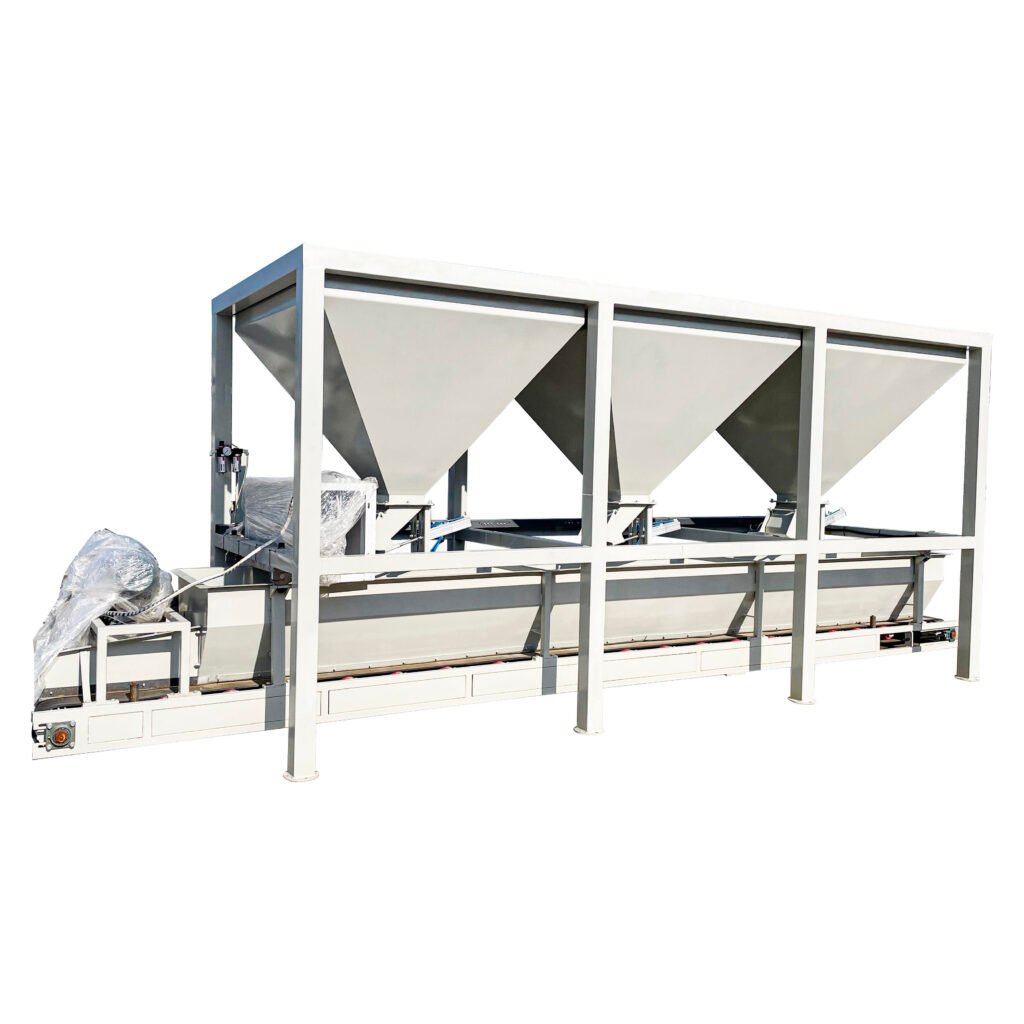
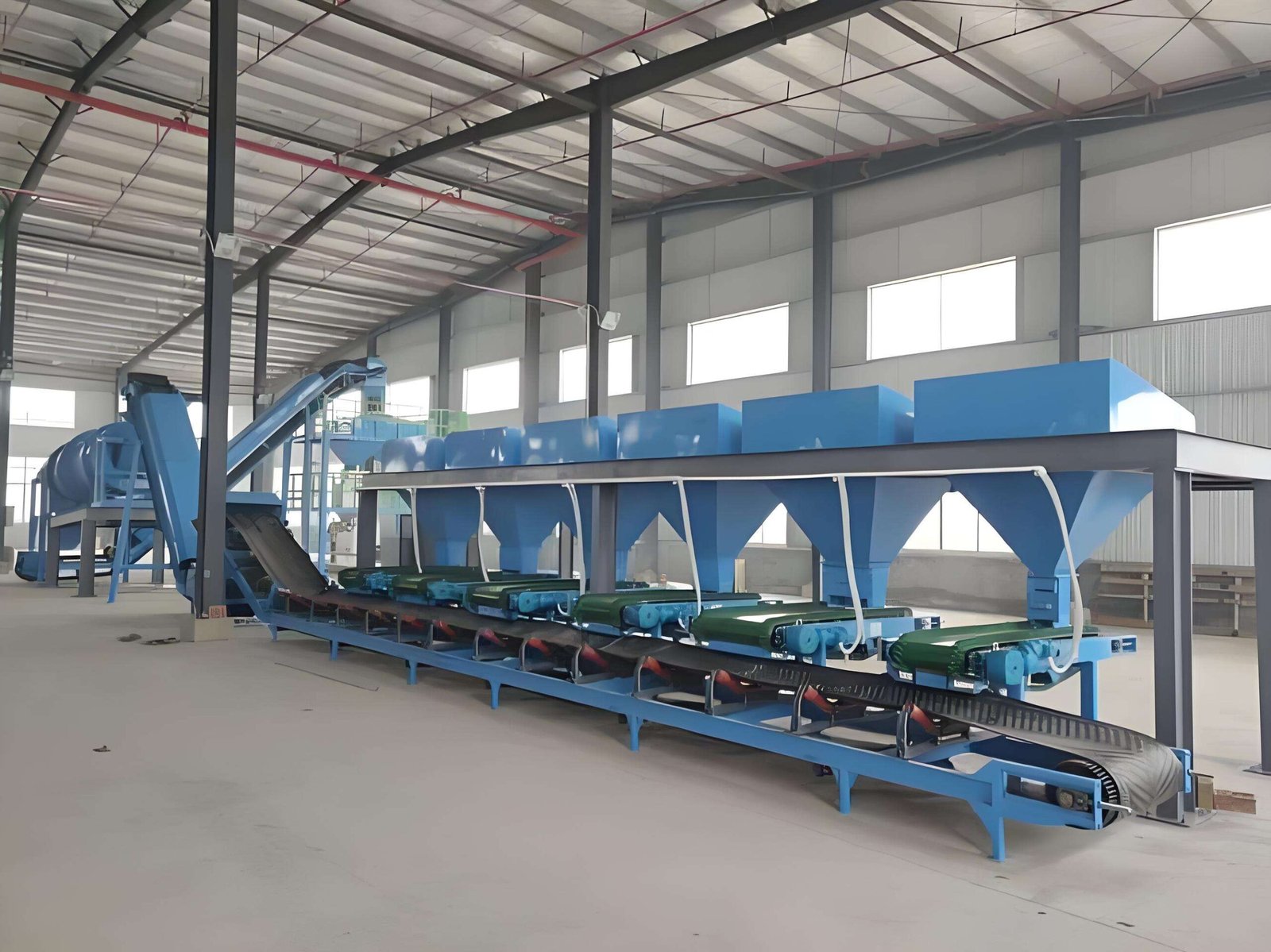
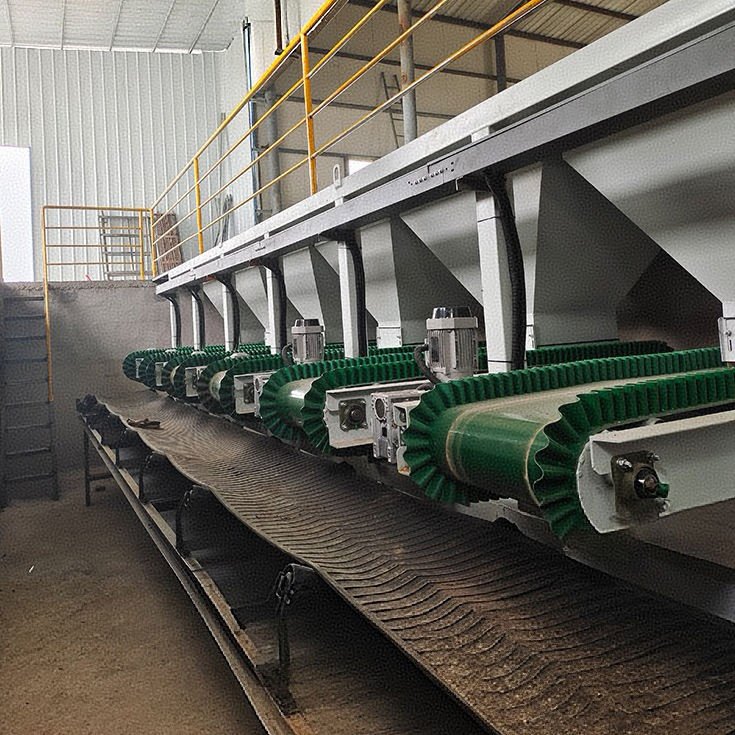
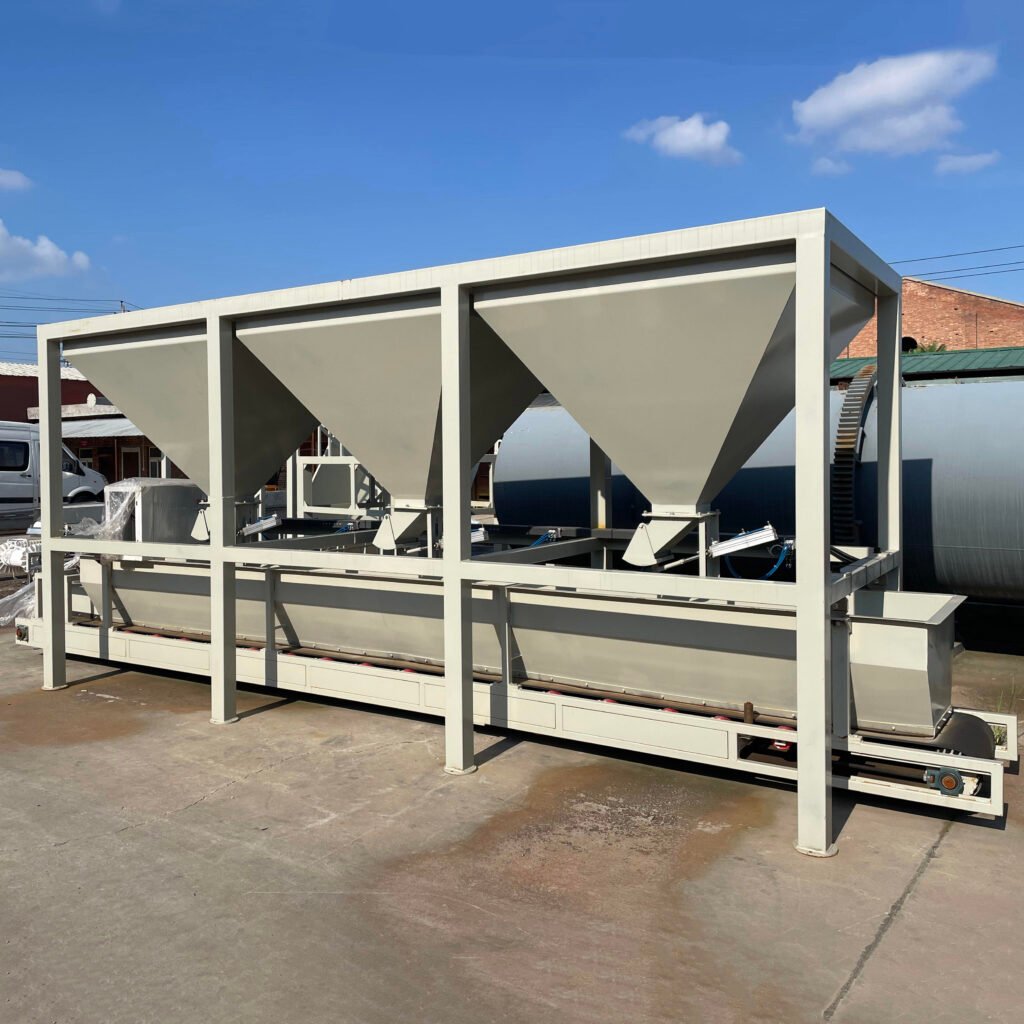
The dynamic batching system, usually referred to as the “Loss-in-Weight Feeding System”, is a cutting-edge solution in modern industry for achieving high-speed, continuous, and high-precision multi-group batch ratios. Its core principle lies in “real-time monitoring of the rate of weight loss and dynamic adjustment of the feed”, rather than static weighing. Let’s delve deeper into its working principle:
Core working principle: Continuous weightlessness + Flow control
System Initialization and Pre-Filling:

  • Each material that requires precise proportioning has an independent subsystem, which includes:
  • Storage Bin: Stores a large quantity of materials.
  • Weighing Hopper (Weight Loss Hopper): Located below the storage bin, equipped with high-precision weighing sensors.
  • Feeding Equipment: Installed at the bottom outlet of the weight loss hopper, such as single/double screw feeders, vibrating feeders, belt scales, etc. Their speeds can be precisely controlled.
  • Before the system is started, the weight loss hopper will be filled to the set higher weight level (such as 60-80% of the hopper capacity).
  1. Start the ingredient setting and flow rate configuration:
  • The operator sets the recipe in the production control system, specifying the target mass flow rate (e.g., kg/h) or ratio for each material.
  • Start the continuous ingredient dispensing process.
  1. Key Point: Real-time Gravity Measurement and Closed-loop Control:
  • This is the essence that distinguishes the dynamic batching system from the static system. **
  • All the feeding equipment for the materials start running simultaneously, and the materials flow out from their respective weightless hoppers and enter the downstream mixer or total conveyor line.
  • High-precision weighing sensors continuously and real-time monitor the weight changes of each weightless hopper. The core of the system’s calculation is not “What is the current weight?”, but “What is the rate of weight decrease?”.
  • Control core (PID algorithm): The control system compares the actual weight loss rate (i.e., the actual flow) measured in real time with the target flow set in the recipe.
  • If the actual flow < target flow: The system will increase the rotational speed (or amplitude, speed, etc.) of the feeding equipment to accelerate the material outflow.
  • If the actual flow > target flow: The system will reduce the rotational speed (or amplitude, speed, etc.) of the feeding equipment to slow down the material outflow.
  • This measurement->comparison->adjustment process is a high-speed, continuous, closed-loop feedback control loop, usually completed within milliseconds, ensuring that the actual flow closely follows the target flow.
  1. Material replenishment stage:
  • As the materials continue to flow out, the weight of the weightless bin will keep decreasing.
  • When the weight of the weightless bin drops to the preset low level, the system needs to replenish the materials.
  • Switch to volume mode (temporary): At this point, the control system will temporarily shut off the precise flow control loop for this material. The replenishment valve above the storage bin (such as an air-operated butterfly valve or gate valve) opens, and the materials flow rapidly into the weightless bin for replenishment.
  • Key point: During the replenishment period, since the weighing sensor cannot accurately measure the flow rate of the weightless bin (because the weight is increasing), the system will briefly estimate and maintain the material flow rate based on the stable feeding equipment speed (or opening degree) before replenishment (i.e., “volume control”). The accuracy will slightly decrease during this stage.
  • Return to weightless mode: When the weight of the weightless bin is replenished to the preset high level, the replenishment valve closes. After the weight is detected to be stable, the system immediately reactivates the precise weightless closed-loop control. The replenishment process should be as fast as possible to minimize the impact on overall accuracy.
  1. Multi-component Synchronization and Mixing:
  • Each subsystem of the individual materials is independently conducting the aforementioned weightlessness control and feeding cycle.
  • Since each material is strictly output according to its target flow rate, and these target flow rates are set based on the mixing ratio, multiple materials naturally maintain an accurate proportionate relationship when entering the downstream mixing points (such as the inlet of the mixer, the total conveyor belt), achieving continuous and uniform mixing as the foundation.
    Summary of Core Features
  • Independent Gravity Feeding: Each material has a dedicated weighing hopper and control system.
  • Continuous/Quasi-Continuous Output: The materials are continuously or nearly continuously output in proportion, rather than in batches.
  • Dynamic Control: High-speed closed-loop regulation is performed based on the real-time weight loss rate (flow rate).
  • Synchronous Mixing: Multiple materials are output simultaneously in proportion to achieve continuous mixing.
  • High Precision Guarantee (especially for trace amounts): The weight loss principle provides extremely high accuracy for trace addition and proportional control (typically ±0.1% – ±0.5% or even better), unaffected by fluctuations in material density (measured is the mass flow rate).
  • Feed Strategy: The “gravity control as the main approach + short-term volume control for feeding” mode is adopted to maintain continuous operation.
    Implementation of the supporting principle for key components
  • Weightlessness斗 and weighing unit: The core measurement unit, requiring high sensitivity, high stability, and strong anti-interference capability.
  • Precise feeding equipment: The key execution unit, must have good controllability, linearity, and repeatability (such as servo motor-driven screw, high-performance vibrating feeder).
  • High-speed controller and advanced algorithms (PID and optimization): The brain. Real-time data processing, high-speed closed-loop control, material replenishment logic switching, anti-interference (such as vibration).
  • Storage bin and replenishment device: To ensure the material supply for the weightlessness斗, replenishment should be fast and with minimal disturbance.
  • Downstream mixing/suction equipment: Receives the proportionally input material flow for continuous mixing.

Advantages and Applicable Scenarios

  • Advantages:
  • High precision: Particularly adept at handling trace components (<1%) and strict ratio requirements.
  • Continuous production: Reduces batch intervals, enhances efficiency, and is suitable for large-scale production.
  • Flexible formula switching: Can quickly switch to different formulas through the control system.
  • Handling multiple components: Easily cope with the precise mixing of dozens or even hundreds of materials.
  • Reducing batch variations: Continuous output is more stable.
  • Applicable scenarios:
  • Complex and variable formulas, with a wide variety of materials.
  • Requires continuous or large-scale production.
  • Has extremely high precision requirements, especially for trace additives.
  • Material characteristics may have certain fluctuations (mass measurement by weight method, insensitive to density changes).
  • Common industries: High-end plastic extrusion and granulation (color masterbatches, additives), food industry (fragrances, vitamins, trace elements), pharmaceuticals (active ingredients, excipients), fine chemicals (catalysts, additives), lithium battery electrode pastes, special building material additives, etc.

    Dynamic Ingredients vs. Static Ingredients: The Core Difference
    Feature Dynamic Feeding System (Weightless) Static Feeding System
    Working Principle Real-time monitoring of weight loss rate, dynamic adjustment of feeding Sequential static weighing, accumulated to a single bucket
    Output Mode Continuous/Quasi-Continuous Proportional output Batch-style Full batch discharge
    Weighing Core Mass Flow Rate (Weight Loss Rate) Cumulative Weight
    Control Method High-speed Closed-loop Feedback (PID, etc.) Sequential Open-loop Control (Coarse/Finer Feeding)
    Structure Multiple Ducts Parallel (Each material independent subsystem) Single Duct Concentrated
    Precision Advantage Micro addition, proportional control Extremely high precision Single material static weighing High precision
    Speed Advantage Continuous High-speed Relatively slow (Requires sequential waiting)
    Applicable Scale Large-scale continuous production Medium and small-scale batch production Summary The core principle of the dynamic batching system (weightless type) lies in “Independent weightlessness, real-time flow measurement, closed-loop speed regulation, synchronous constant flow“. It continuously monitors the weight loss rate of each material hopper and precisely adjusts the speed of the feeding equipment using a high-speed closed-loop control algorithm to ensure that each material is output at the set quality flow rate stably. This constant and proportional output flow of multiple materials converges at the mixing point, laying the foundation for continuous, uniform, and high-precision mixing. This “weightless” dynamic control principle enables it to demonstrate unparalleled advantages in complex formulations, continuous production, especially in scenarios requiring traceable high-precision ratios, and thus becomes a key technical pillar in modern process industries and precision manufacturing.

Static Ingredient System: The Foundation of Precise Proportions

In the field of industrial material dispensing, the static dispensing system has become the preferred solution for many industries due to its reliable structure, high precision (especially for specific materials), and relatively low cost. The core of this system lies in “static weighing” and “sequential addition”. The following is a detailed explanation of its working principle:
Core working principle: Sequential weighing + Central hopper

  1. Recipe Setup and Start-Up:
  • The operator inputs or selects the desired production recipe in the production control system (such as PLC, DCS, or dedicated batching controller). The recipe specifies the name of each material and the target addition weight or ratio.
  • Start the batching batch.
  1. Material Addition Sequence:
  • This is the most distinctive feature of the static batching system. The system strictly follows the sequence set by the recipe, one by one, adding various materials to the same central weighing hopper.
  • Feed Control:
  • The system activates the feeding equipment (such as gravity gates, spiral feeders, vibrating feeders, belt feeders, etc.) below the storage bin of the first material.
  • The material begins to flow into the central weighing hopper.
  • High-precision weighing sensors continuously monitor the weight changes in the central hopper.
  1. Precise Weighing Process:
  • Coarse Feeding Stage: The feeding equipment typically adds material to the hopper at a relatively fast rate (high flow rate), rapidly approaching the target weight.
  • Fine Feeding Stage: When the weight of the material in the hopper approaches the target value (such as reaching 90-95% of the target value), the system controls the feeding equipment to switch to a slow (low flow rate) or point-motion mode. This is similar to “slowly and steadily” pouring water, avoiding overfilling.
  • Achieving the Target: When the sensor detects that the weight of the hopper has precisely reached the target set value for this type of material, the system immediately shuts off the feeding equipment for this material and stops adding.
  1. Next material addition:
  • After the first material is added, the system automatically switches to the next material according to the recipe sequence.
  • Repeat steps 2 and 3: Open the feeding equipment of the corresponding silo, perform coarse feeding -> fine feeding -> reach the target -> stop.
  • This process is carried out in sequence, until all the materials in the recipe have been added to the central hopper according to the set quantity. Each material is independently weighed while the hopper is stationary. **
  1. Batch Completion and Discharge:
  • Once all the materials have been added, a complete “batch” is formed in the central weighing hopper (at this point, the materials have not yet been mixed or only preliminarily mixed).
  • The system opens the discharge valve at the bottom of the central hopper (such as an air-operated butterfly valve, gate valve, etc.).
  • The entire batch of materials is discharged by gravity (or supplemented by vibration, fluidization devices to prevent clogging) and transported to the downstream equipment, usually to a mixer for uniform mixing, or directly entering the next process (such as packaging, reaction vessel, etc.).
  1. Reset and Next Batch:
  • Discharge is complete, and the discharge valve is closed.
  • The system is reset, and preparations are made for the next batch of ingredient addition. The new batch is added sequentially starting from the first type of material.
    Summary of Core Features
  • Single-bin weighing: All materials share a single central weighing bin.
  • Sequential execution: Materials are added and weighed in accordance with the recipe in a sequential manner.
  • Static weighing: Each material is precisely weighed in the static state of the bin (stable reading after the feeding stops).
  • Batch operation: After all materials are added to form a batch, the entire batch is discharged.
  • High precision guarantee: Independent precise feeding stage and static weighing mode ensure that each material (especially those with good fluidity and not prone to sticking) can achieve very high weighing accuracy (typically ±0.1% – ±0.5% or higher).
    Implementation of the supporting principle for key components
  • Central weighing hopper: The core container, equipped with high-precision weighing sensors (such as strain gauge type, electromagnetic force compensated type) and controllers.
  • Storage bins and feeding equipment: Each material storage bin is equipped with a controllable feeding mechanism to achieve coarse/fine feeding control.
  • Discharge valve: Reliable control of the discharge of batch materials.
  • Control system (PLC/DCS/dedicated controller): The brain. It executes formula management, sequence control, feeding logic (coarse/fine), weight comparison, equipment start/stop, data recording, alarms, etc.
  • Dust removal system (optional but important): Controls dust during feeding and discharging processes.

Advantages and Applicable Scenarios

  • Advantages: The structure is relatively simple and easy to maintain; single-point weighing, high and stable accuracy (for suitable materials); good cost-effectiveness; easy to clean (especially for industries with high hygiene requirements such as food and pharmaceuticals).
  • Application scenarios:
  • Material types are moderate (such as 5-20 types).
  • Formulas are relatively fixed or do not change extremely frequently.
  • Batch-based production mode.
  • Materials have good fluidity, and are not prone to severe sticking or bridging in the hopper.
  • High precision requirements (especially for main materials and materials with good fluidity).
  • Common industries: food processing (flour, sugar, milk powder, etc.), plastic granulation, some chemical raw materials, building material premixes, feed premixes, etc.

Summary

The core principle of the static batching system lies in “Sequential addition, static weighing, single-bucket accumulation, batch discharge“. It precisely controls the process of each material being added to the central hopper in sequence, and completes high-precision weighing in a static state, ultimately forming a complete batch of raw materials. This principle determines that it is particularly suitable for batch production processes with stable formulas, high precision requirements, and good material adaptability. It is an indispensable classic solution in the field of industrial batching.

Back to Top
Product has been added to your cart